Cactus Embroidery Review
As an embroidery designer with years of experience in custom apparel and boutique brand development, I’ve come across countless machine embroidery designs. The Cactus from Creative Fabrica stands out for its simplicity, versatility, and ability to elevate a wide range of projects. Whether you're working on sweatshirt embroidery, tote bags, or lifestyle products, this design offers a refreshing touch of summer that can fit into many styles.
The First Impression of Cactus
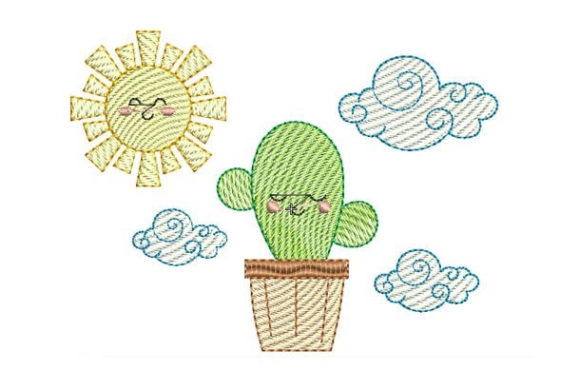
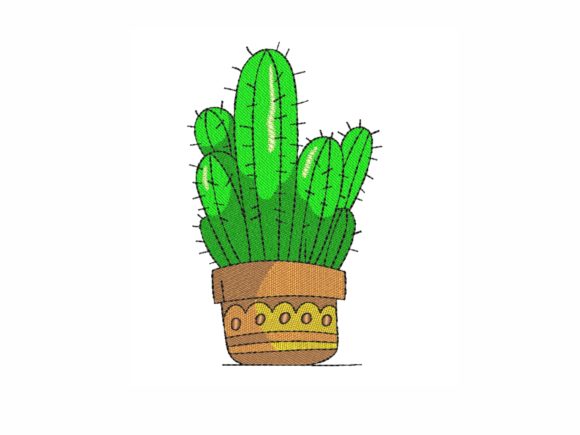
From the moment I viewed the Cactus, it felt like a breath of fresh air. The visual personality is playful yet refined, with a soft, rounded shape that suggests a casual, laid-back vibe. It’s not overly bold, but it has enough detail to stand out on its own. The stitching mood is light and airy, making it ideal for pastel tones or neutral backgrounds. This design feels premium in its execution, yet it doesn’t demand attention—it simply complements the garment it’s on.
It’s a great example of a Single Flowers embroidery file that balances minimalism with decorative strength. Its clean lines and subtle curves make it adaptable for both modern and rustic aesthetics.
How Cactus Performs for Apparel Projects
When considering sweatshirt embroidery, the Cactus works well on chest placements, especially on oversized or relaxed fits. It adds a touch of personality without overwhelming the design. On a hoodie, it can be placed on the front or back, depending on the desired effect. For sleeve accents, it provides a nice contrast against the fabric texture, especially when paired with darker tones.
On t-shirt embroidery, the design looks best when placed on the chest or sleeves. It’s not too dense, so it won’t cause puckering on stretchy fabrics. When stitched on denim jackets or tote bags, it maintains its clarity and remains visually appealing even on heavier materials.
For boutique merchandise, the Cactus is a solid choice. It can be used in printable mockups, social media graphics, and Etsy listings to showcase how the design translates across different mediums. Its simplicity makes it easy to pair with other elements, helping maintain visual consistency in a collection.
Where to Use Cactus Carefully
While Cactus is versatile, there are certain scenarios where caution is advised. Small chest placements may require adjusting the size to avoid looking cramped. If the design is placed on a curved surface, such as a hoodie collar, ensure the hoop size accommodates the curve without distorting the stitches.
Dense stitch areas can be a concern if the fabric isn’t properly stabilized. A good stabilizer choice is essential, especially when working with stretchy or ribbed fabrics. For dark garments, consider using contrasting thread colors to ensure visibility. Tiny lettering or intricate details may not work well with this design, as it’s more suited for larger, bold shapes.
Impact on Brand Identity and Product Value
As an Etsy seller or small shop product creator, the Cactus can help build brand identity through consistent, high-quality visuals. It’s a design that can be used across multiple items—t-shirts, hoodies, and accessories—creating a cohesive look that customers recognize. This consistency enhances buyer trust and encourages repeat purchases.
Incorporating Creative Fabrica embroidery into your workflow can streamline the process of creating custom apparel. The machine embroidery design is likely to be well-structured, allowing for smooth production runs. However, always test on similar garment fabric before committing to large batches.
For commercial embroidery or handmade product creation, the Cactus offers a balance between style and practicality. It’s not too complicated to stitch, but it still adds value to the finished product. This makes it ideal for small business owners who want to offer unique, eye-catching designs without overcomplicating their workflow.
Practical Designer Notes
Before finalizing any project with the Cactus, I recommend testing on scrap fabric to assess how the design interacts with different textures. Check the stitch density to ensure it won’t cause puckering or distortion. Confirm the hoop size required for the design and choose the right stabilizer based on the fabric type.
If you’re planning to sell finished apparel, review the licensing terms of the embroidery file to ensure compliance. Always compare placement options to find the most flattering position for the design. Lastly, use printable mockups to visualize how the Cactus will appear on various garments before production.